

Working from anywhere in the world is no longer a Silicon Valley perk or a digital nomad fantasy. In 2026, tens of thousands of verified roles across customer service, software development, marketing, design, and project management offer true location independence, meaning you can perform the work from Lisbon, Bangkok, or your hometown without geographic restrictions. The key difference from standard remote work is that these positions explicitly allow international hiring or don’t restrict you to specific time zones or countries.
The opportunity is real and growing. Platforms like DailyRemote list over 225,000 remote opportunities, while Jobgether verifies more than 200,000 positions across 100+ countries. Indeed Canada alone shows thousands of international remote openings at any given time. But landing one of these roles requires more than sending applications. You need to understand visa and tax implications in your chosen country, position yourself as a self-sufficient worker who won’t need constant supervision across time zones, and know which companies use Employer of Record services like Deel or Remote to handle the legal complexity of international hiring.
Most people searching for work-from-anywhere jobs make two critical mistakes: they assume all remote positions allow international work (many don’t), and they overlook the legal frameworks that make these arrangements possible. Companies hiring globally must navigate employment law, tax obligations, social security contributions, and data protection rules in each country where they employ workers. Understanding these mechanics helps you target the right employers and present yourself as someone who grasps the practicalities.
This guide walks you through what work-from-anywhere truly means, where to find legitimate opportunities, how to become a competitive candidate, and the tax and legal considerations you can’t ignore.
What Makes a Job Truly ‘Work From Anywhere’?
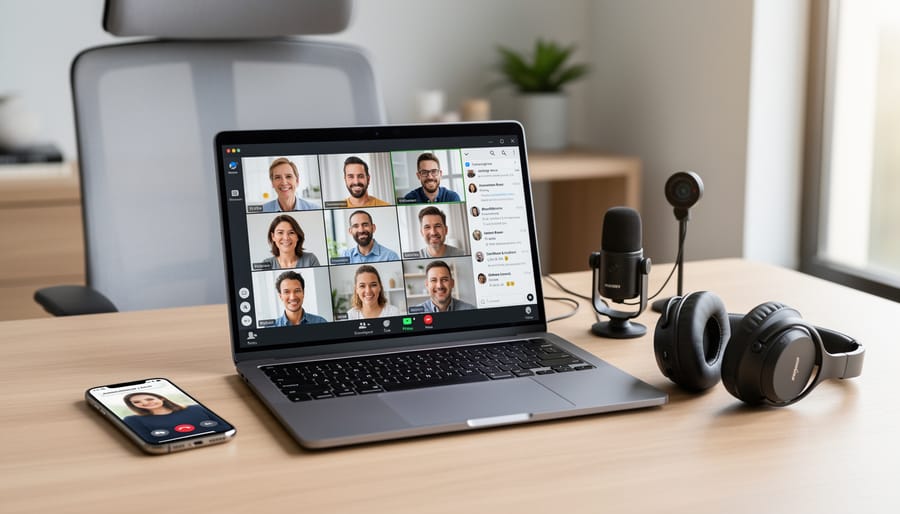
Not all remote jobs offer the freedom to work from anywhere. A position advertised as “remote” might still require you to live in a specific city, state, or country due to legal, operational, or tax reasons. Genuine work-from-anywhere roles remove these geographic barriers, letting you choose your location based on your lifestyle rather than your employer’s headquarters.
The defining feature is timezone flexibility. True work-from-anywhere positions either operate asynchronously, where teams collaborate across different schedules without requiring real-time overlap, or offer flexible core hours that accommodate employees scattered across multiple continents. If a job posting specifies “must be available 9-5 EST” or “overlap required with London office hours,” it’s not fully location-independent, even if labeled remote.
Geographic restrictions represent the most common limitation. Many employers restrict hiring to specific countries or regions due to employment law compliance, tax obligations, and payroll complexities. Remote work regulations govern employment law, tax, social security, health and safety, and data protection when someone works away from an employer’s premises, making international hiring more complex than domestic arrangements. Some companies use employer of record services to navigate these challenges and hire globally, but others simply limit their candidate pool to avoid the administrative burden.
Equipment requirements also vary. Work-from-anywhere roles typically expect you to provide your own reliable internet connection and appropriate workspace, though many companies supply necessary hardware like laptops. Some positions specify minimum internet speeds or require backup connectivity options, recognizing that infrastructure quality varies by location. Before accepting an offer, clarify whether the employer provides equipment, reimburses home office expenses, or expects you to cover these costs independently.
Employer expectations around communication and availability matter significantly. Truly location-independent companies build their operations around distributed teams, establishing clear communication protocols, documentation practices, and performance metrics that don’t depend on physical presence or constant availability. They measure output rather than hours logged, trusting employees to manage their own schedules while meeting deadlines and staying responsive within agreed parameters.
Industries and Roles Leading the Work-From-Anywhere Movement

Technology roles remain the strongest contenders for location-independent work, and for good reason. Software development, web design, data analysis, cybersecurity, and cloud infrastructure management require little more than a laptop and reliable internet. Companies hiring these positions increasingly recognize that restricting geography unnecessarily narrows their talent pool. Frontend developers, backend engineers, DevOps specialists, and UX/UI designers routinely work across continents without affecting output quality.
Creative professionals have carved out significant territory in the work-from-anywhere landscape. Graphic designers, copywriters, video editors, content strategists, and social media managers produce deliverables that travel digitally. Many creative agencies and marketing departments now operate entirely remotely, making location irrelevance standard rather than exceptional. The shift means talented designers in Portugal collaborate as easily with New York agencies as someone in the same city.
Customer support and service roles offer accessible entry points for those new to remote work. Companies serving global markets need support teams across time zones anyway, creating natural demand for distributed staff. Technical support specialists, customer success managers, and account coordinators handle their responsibilities through video calls, ticketing systems, and communication platforms. These positions often require less specialized education than tech roles while still offering genuine location flexibility.
Education and training fields have expanded beyond traditional boundaries. Online tutors, course creators, instructional designers, and corporate trainers deliver their expertise globally through digital platforms. The growth of e-learning means educators no longer need physical classrooms, though most roles still benefit from structured schedules that require time zone coordination.
Consulting, project management, and business operations round out the primary sectors. Management consultants, business analysts, HR specialists, and operations managers increasingly work with distributed teams and remote clients. These roles demand strong communication skills and self-direction but reward that capability with geographic freedom.
What truly sets these fields apart is output measurability. All produce clear deliverables, whether code, designs, resolved tickets, completed courses, or strategic recommendations. When results matter more than hours observed, location becomes irrelevant.
Where to Find Legitimate Work-From-Anywhere Opportunities
Finding genuine work-from-anywhere opportunities requires knowing where to look and how to distinguish legitimate listings from scams or geographically restricted roles. Several specialized platforms have emerged that focus specifically on international remote positions, each offering different strengths depending on your career stage and field.
| Platform | Number of Listings | Geographic Focus | Best For |
|---|---|---|---|
| DailyRemote | 225,832+ opportunities | Global | Wide variety of roles and experience levels |
| Jobgether | 200,000+ verified positions | 100+ countries | Verified international opportunities |
| Truly Remote | Daily updates | Worldwide hiring | Current openings, regularly refreshed |
| Indeed Canada | 2,426 international remote jobs | International focus | Established companies, diverse sectors |
Each platform approaches verification differently. DailyRemote aggregates a massive volume of postings, giving you breadth but requiring careful vetting on your end. Jobgether emphasizes verification across its 200,000+ listings, which can save time when you’re sorting through options. Truly Remote updates daily and focuses specifically on positions that hire worldwide, making it useful for checking fresh postings regularly. Indeed Canada’s international remote category includes positions from established companies, though you’ll need to read each listing carefully to confirm true location independence versus country-specific remote arrangements.
Beyond dedicated remote job boards, consider company career pages directly. Many organizations building distributed teams post openings on their own sites before listing elsewhere. LinkedIn’s remote job filter has improved significantly, though you’ll still need to verify geographic restrictions in the full job description since some employers mark roles as remote when they actually require residence in specific regions.
When evaluating any listing, look for explicit language about geographic flexibility. Phrases like “hire anywhere” or “no location restrictions” signal genuine work-from-anywhere roles, while “remote” alone often means remote within a particular country or time zone. Check whether the posting mentions visa sponsorship, lists specific countries where they cannot hire, or requires overlap with certain business hours. The job description should address how the company handles international employment, whether through direct hire, contractor arrangements, or employer of record services.
Red flags include vague job descriptions, requests for payment or personal financial information upfront, promises of unrealistic compensation for minimal work, and companies with no verifiable online presence. Legitimate employers will have established websites, clear information about their business, and professional communication throughout the hiring process.
Understanding the Legal and Tax Landscape
What Employers Need to Handle

When you accept a work-from-anywhere position, your employer carries significant legal and operational responsibilities that extend beyond traditional office-based roles. Companies must integrate psychosocial and physical work environment requirements into their home office policies, ensuring you have a safe and healthy workspace regardless of where you choose to work. This includes addressing ergonomic standards, equipment provision, and mental health considerations even when they can’t physically inspect your setup.
Health and safety regulations don’t disappear when work happens remotely. Employers remain accountable for workplace injury prevention, proper training on equipment use, and maintaining compliance with employment law standards that cover everything from working hours to data protection. They must also navigate the complex landscape of tax obligations and social security contributions across different jurisdictions, which is why many companies now use employer of record services like Remote or Deel to manage global compliance. These services handle the administrative burden of hiring across borders while ensuring both the company and you remain on the right side of employment regulations.
Understanding these employer obligations helps you evaluate whether a company is truly prepared to support work-from-anywhere arrangements or simply offering remote work without the necessary infrastructure.
What You Need to Research
Before accepting a work-from-anywhere role, you need to investigate three critical areas that remain your responsibility regardless of how your employer handles their obligations.
Start with tax residency rules in your chosen destination. Most countries consider you a tax resident if you spend more than 183 days there annually, triggering local tax obligations even if your employer is based elsewhere. You may owe taxes in multiple jurisdictions simultaneously. Research whether your home country and destination country have a tax treaty to prevent double taxation, and understand how to claim foreign tax credits if needed.
Visa and work authorization requirements vary dramatically by country. Tourist visas rarely permit paid work, even remote work for a foreign company. Some nations now offer digital nomad visas specifically for remote workers, while others have no legal framework for this arrangement. Determine what visa category applies to your situation and whether you need a local work permit.
Finally, clarify your social security and benefits status. Working abroad may affect your contributions to retirement systems, healthcare coverage, and unemployment insurance. Some countries require you to join their social security system once you become a tax resident. Understanding these obligations upfront prevents costly surprises and ensures you remain compliant wherever you choose to work.
Building Your Profile for Global Competition
Competing for work-from-anywhere positions means standing out among applicants from dozens of countries, each bringing different strengths and experiences. You need to communicate your value in ways that address what global employers specifically look for in distributed team members.
Start by showcasing autonomous work experience. Companies hiring internationally can’t offer constant supervision, so highlight projects where you worked independently, managed your own deadlines, or coordinated across departments without direct oversight. Quantify these examples wherever possible, mentioning that you delivered a campaign two weeks early or handled client relationships across five time zones tells a clearer story than stating you’re a “self-starter.”
Your application materials need adjustments for the global context. Follow this optimization process:
- Research the company’s headquarters and main working hours to address time zone compatibility in your application
- Emphasize written communication skills with concrete examples of documentation you’ve created or remote collaboration you’ve managed
- Include any experience with international clients, distributed teams, or cross-cultural projects
- List collaboration tools you’re proficient in (Slack, Asana, Zoom, project management platforms)
- Mention reliable internet access and home office setup if the job description emphasizes technical requirements
When deciding whether to include additional materials, consider our cover letter advice for location-independent roles, a strong cover letter gives you space to explain why you’re equipped for remote collaboration and how you’ll handle working across distances. Learn to craft an effective cover letter that directly addresses the employer’s likely concerns about hiring someone they may never meet face-to-face.
Demonstrate communication skills beyond just listing them. Your application’s clarity, organization, and tone serve as evidence. Avoid vague statements about being a “team player” or having “excellent communication.” Instead, describe facilitating weekly video check-ins that reduced project delays by 30%, or training three new hires entirely through screen-sharing sessions.
Time zone flexibility matters enormously. If you’re willing to accommodate specific hours for team overlap, state this explicitly. Companies appreciate knowing you’ll join daily standups at 8am their time, even if that’s evening for you.
Relevant professional certifications carry extra weight when competing globally because they provide standardized proof of skills across different educational systems. A Google Analytics certification or AWS qualification speaks the same language to employers worldwide, while degrees from lesser-known institutions may need more context.
Treat your entire job search as career management practice, each application sharpens how you present your remote-ready capabilities. You’re not just applying for jobs; you’re building a profile that positions you as someone who thrives without traditional office structure.
Practical Considerations Before You Pack Your Bags

Landing a work-from-anywhere position is exciting, but rushing in without preparation can derail even the best opportunity. Before you accept that dream role, assess whether your intended locations can realistically support your work requirements.
Internet connectivity deserves your first consideration. Most employers expect consistent upload speeds of at least 10-15 Mbps for video calls and file sharing, with reliable backup options when your primary connection fails. Research connectivity quality in your target destinations before committing, not after you’ve signed a lease. A mobile hotspot device with a separate data plan serves as essential insurance against unexpected outages.
Your equipment setup extends beyond a laptop. Consider whether you’ll need dual monitors, an external webcam for professional video quality, noise-canceling headphones for calls in busy environments, and a portable standing desk setup if you value ergonomics. Factor in voltage differences and adapter requirements if you’re planning moves across continents. These aren’t luxuries, they’re tools that maintain your productivity and professionalism across locations.
Time zone management affects your daily routine more than you might expect. Calculate how your proposed locations align with your team’s working hours and client schedules. A three-hour overlap might work temporarily, but sustaining a career with minimal synchronous contact requires exceptional communication skills and proactive documentation habits.
Healthcare coverage often doesn’t transfer internationally. Research whether your employer’s plan covers you abroad, investigate local insurance options, or consider international health insurance providers that follow you across borders. Don’t assume your home country’s coverage will protect you elsewhere.
Banking logistics matter immediately once you start earning. Confirm how you’ll receive payments, whether your bank charges international fees, how currency conversion affects your income, and how you’ll manage tax obligations across jurisdictions. Opening a local account in each destination rarely makes sense for frequent movers, but maintaining access to your funds does.
The shift to work-from-anywhere employment isn’t a distant possibility. It’s happening now, with hundreds of thousands of verified remote positions available across more than 100 countries. You’ve seen the platforms connecting job seekers with these opportunities, understood the legal frameworks that make international remote work possible, and learned what it takes to position yourself competitively in a global talent market.
Your next move matters more than perfect preparation. Start by identifying two or three roles within your field that genuinely offer location independence. Research the tax and legal obligations specific to your situation, whether that means consulting with an accountant familiar with international remote work or understanding the visa requirements for countries where you’d like to base yourself. Then refine your application materials to emphasize the self-direction, communication skills, and timezone adaptability that work-from-anywhere employers value.
This path requires more upfront research than a traditional job search. You’ll need to think through practical details like internet reliability, healthcare coverage, and payment logistics before you accept an offer. But these considerations shouldn’t intimidate you. They’re simply part of building a sustainable, location-independent career that aligns with how you want to live.
The employers hiring for these roles are looking for capable, prepared candidates who understand what this work arrangement demands. With the groundwork you’ve laid here, you’re ready to be one of them.