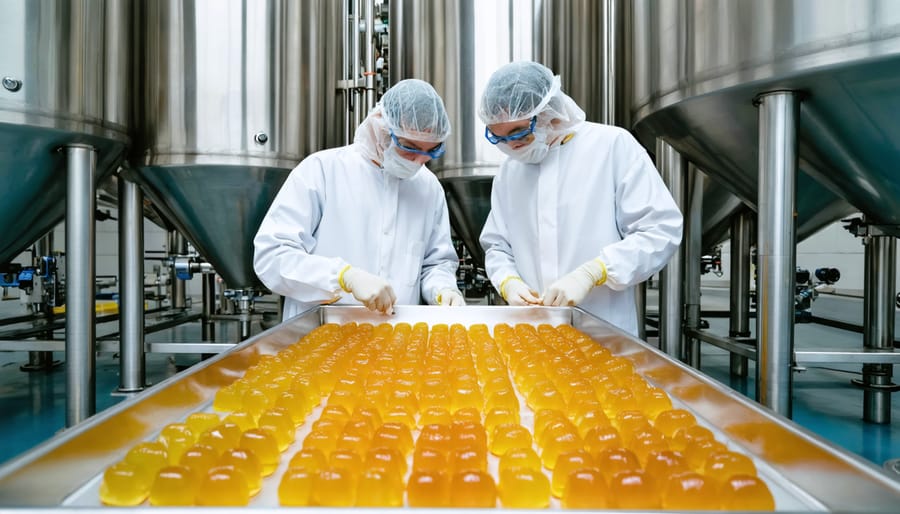
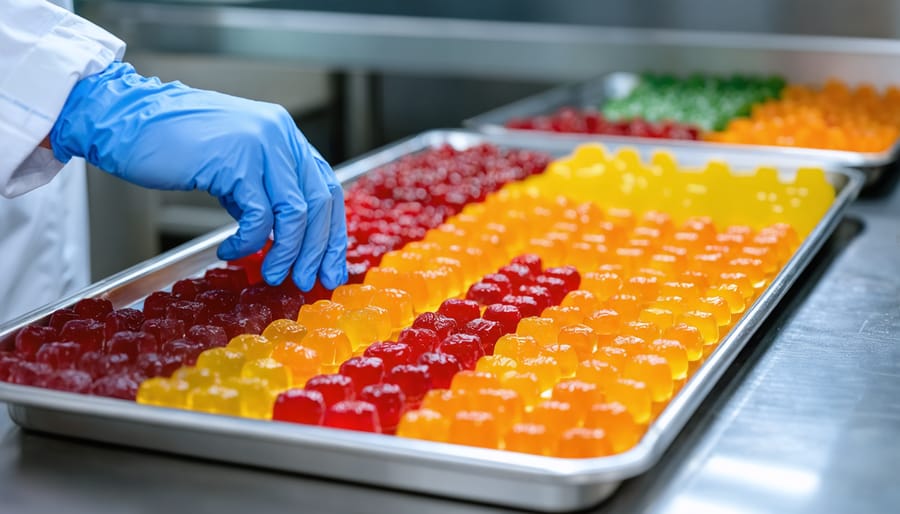
The delta 9 gummies you see on dispensary shelves represent a booming $28 billion industry creating thousands of manufacturing careers right now. Whether you’re discovering your career path or seeking a meaningful pivot, Delta-9 THC edibles manufacturing offers legitimate opportunities with competitive salaries ranging from $35,000 for entry-level positions to $120,000+ for experienced production managers.
Unlike traditional pharmaceutical or food manufacturing, this rapidly expanding sector welcomes candidates from diverse backgrounds—no cannabis experience required. The industry desperately needs quality control specialists, production technicians, compliance officers, extraction experts, and facility managers as legalization sweeps across more states. What makes these careers particularly compelling is the combination of cutting-edge food science, rigorous safety protocols, and the satisfaction of working in an industry transforming wellness and medicine.
Success in Delta-9 THC edibles manufacturing demands attention to detail, commitment to compliance, and genuine passion for quality. You’ll work with precise dosing equipment, maintain sterile production environments, and ensure every product meets strict regulatory standards. The barriers to entry are lower than you might expect—many manufacturers provide paid training and value transferable skills from food service, laboratory work, or quality assurance roles.
This comprehensive guide reveals exactly which positions exist, what qualifications employers actually seek, and proven strategies to launch your manufacturing career in this dynamic, future-focused industry.
Understanding the Delta-9 THC Gummies Industry
The Delta-9 THC gummies industry is experiencing remarkable growth, creating an exciting landscape of career opportunities you might not have considered before. Thanks to the 2018 Farm Bill, which legalized hemp-derived products containing less than 0.3% Delta-9 THC by dry weight, manufacturers have developed innovative formulations that comply with federal regulations while meeting consumer demand for legal, accessible cannabis products.
The market numbers tell a compelling story for job seekers. Industry analysts project the hemp-derived Delta-9 THC market will reach several billion dollars within the next five years, with gummies commanding approximately 60% of the edibles market share. This isn’t just a trend—it’s a fundamental shift in how consumers approach wellness and recreational products, and it’s creating thousands of manufacturing positions across the United States.
Why do gummies dominate? They offer precise dosing, discreet consumption, familiar formats, and extended shelf life compared to other edibles. This popularity translates directly into manufacturing demand. Companies need quality control specialists, production line workers, extraction technicians, packaging professionals, and compliance officers—roles that didn’t exist in meaningful numbers just five years ago.
The legal landscape remains complex but navigable. While Delta-9 THC gummies must comply with the Farm Bill’s THC concentration limits, individual states maintain their own regulations. This creates regional manufacturing hubs in hemp-friendly states, offering you geographic flexibility in where you might launch or advance your career. Reputable manufacturers prioritize compliance, making regulatory knowledge a valuable skill you can develop.
For career changers and recent graduates, this industry represents a genuine ground-floor opportunity. You’re not entering a saturated market with established hierarchies. Instead, you’re joining an evolving sector where dedication, willingness to learn, and attention to detail can accelerate your career trajectory faster than in traditional manufacturing fields. The time to explore these emerging opportunities is now.

Career Paths in Delta-9 THC Gummies Manufacturing

Entry-Level Production Roles
Starting your career in Delta-9 THC edibles manufacturing doesn’t require years of experience. These entry-level positions offer solid foundations in this growing industry.
**Production Assistants** handle the hands-on work of mixing, measuring, and monitoring edible batches. You’ll follow strict recipes and safety protocols while ensuring consistent product quality. Most positions require a high school diploma and attention to detail. Expect starting salaries between $32,000-$42,000 annually.
**Packaging Specialists** prepare finished products for distribution, operating labeling equipment and conducting visual inspections. This role demands organizational skills and the ability to work efficiently in climate-controlled environments. Entry requirements typically include basic computer skills and physical stamina. Salaries range from $30,000-$38,000.
**Quality Control Technicians** perform routine testing and documentation, ensuring products meet safety standards. You’ll need strong analytical skills and comfort with laboratory equipment. Many employers prefer candidates with science coursework or manufacturing experience. Compensation averages $38,000-$48,000.
**Inventory Coordinators** track raw materials and finished products using specialized software systems. Strong math skills and reliability are essential. Starting pay ranges from $35,000-$45,000.
These roles offer valuable industry experience and clear advancement pathways as you develop specialized skills.
Specialized Technical Positions
Delta-9 THC edibles manufacturing relies on highly skilled technical professionals who ensure product safety, consistency, and regulatory compliance. These specialized positions offer excellent growth potential as the industry matures.
**Extraction Technicians** operate sophisticated equipment to isolate THC compounds from hemp or cannabis plants. You’ll need strong chemistry knowledge, attention to detail, and often certification in Good Manufacturing Practices (GMP). Entry-level positions typically require an associate degree in chemistry or related fields, with salaries ranging from $40,000-$65,000 annually. Many technicians advance to senior extraction roles or quality management within 3-5 years.
**Formulation Specialists** develop recipes that deliver precise dosing and consistent effects. This role demands food science expertise, understanding of cannabinoid interactions, and creative problem-solving skills. A bachelor’s degree in food science, chemistry, or pharmaceutical sciences is typically required. These positions command $55,000-$85,000 and can lead to product development director roles.
**Lab Analysts** conduct critical testing for potency, contaminants, and quality assurance. You’ll need laboratory experience and familiarity with HPLC, mass spectrometry, and other analytical techniques. Certifications like ISO 17025 significantly boost your prospects. Expect starting salaries around $45,000-$70,000.
**Compliance Officers** navigate complex state and federal regulations, ensuring all manufacturing processes meet legal standards. This role requires meticulous documentation skills, regulatory knowledge, and often a background in law, food safety, or quality assurance. Starting compensation ranges from $50,000-$75,000, with senior positions exceeding six figures.
Most employers provide on-the-job training to supplement your foundational knowledge, making these accessible career paths for motivated learners.
Management and Leadership Opportunities
As you gain experience in Delta-9 THC edibles manufacturing, leadership positions offer significant career advancement and increased earning potential. These roles combine technical expertise with people management skills, making them ideal targets for ambitious professionals looking to grow within the industry.
**Production managers** oversee daily manufacturing operations, coordinating teams of 10-50+ employees depending on facility size. You’ll typically need 3-5 years of manufacturing experience plus proven supervisory skills. Entry-level supervisors can advance to these positions by demonstrating strong organizational abilities and deepening their understanding of GMP protocols. Salaries range from $65,000-$95,000 annually.
**Quality assurance directors** lead compliance teams and establish testing protocols that protect consumer safety. This role requires extensive knowledge of state and federal regulations, often combined with a bachelor’s degree in food science, chemistry, or related fields. Many QA directors start as lab technicians or compliance specialists, building expertise over 4-6 years before stepping into leadership. Compensation typically ranges from $75,000-$110,000.
**Operations managers** coordinate multiple departments, managing supply chains, inventory systems, and production schedules. This strategic position usually requires 5-7 years of progressive manufacturing experience and strong business acumen. Success in production management or facility supervision naturally leads to these roles.
**Facility supervisors** bridge the gap between front-line workers and upper management, making this an excellent first leadership role. With 2-3 years of production experience and demonstrated reliability, you can transition into supervisory positions earning $50,000-$70,000.
The advancement path is clear: start in entry-level production, prove your capabilities, seek additional certifications, and progressively take on more responsibility. Leadership opportunities in this growing industry reward those who combine technical knowledge with strong communication and problem-solving skills.
Essential Skills and Qualifications You’ll Need
Technical Knowledge and Certifications
Breaking into Delta-9 THC edibles manufacturing requires a solid foundation of industry-recognized credentials that demonstrate your commitment to safety and quality. The good news? Many of these certifications are accessible and can be completed relatively quickly, making this an achievable career path for motivated professionals.
**Food Safety Certifications** form your essential baseline. ServSafe Manager certification is widely recognized and typically takes just a few days to complete. HACCP (Hazard Analysis Critical Control Points) training demonstrates your understanding of preventive food safety systems—a non-negotiable in cannabis edibles production. These professional certifications signal to employers that you understand contamination prevention, allergen management, and proper sanitation protocols.
**Good Manufacturing Practices (GMP)** knowledge is equally critical. Many manufacturers require GMP certification, which covers documentation procedures, quality control systems, and regulatory compliance. Online courses through organizations like NSF International or manufacturing associations offer affordable options, often under $500.
**Cannabis-specific training** sets you apart from general food manufacturing candidates. Look for state-approved cannabis handler certifications, which cover THC regulations, potency testing requirements, and state-specific compliance rules. Many states mandate these certifications for anyone working directly with cannabis products.
**Laboratory skills** open doors to quality assurance and testing roles. Basic understanding of analytical equipment, data interpretation, and standard operating procedures can be developed through community college courses or online platforms. Even entry-level familiarity with chromatography or spectroscopy techniques demonstrates valuable technical aptitude that employers actively seek in this rapidly professionalizing industry.
Transferable Skills from Other Industries
Your background in related industries positions you perfectly for the Delta-9 THC edibles sector. The manufacturing processes, quality standards, and regulatory frameworks you’ve already mastered translate directly to this growing field.
**Food Manufacturing** professionals bring invaluable expertise in production line management, food safety protocols (HACCP, GMP), and scaling recipes for commercial output. Your experience with ingredient sourcing, shelf-life testing, and sanitation standards applies immediately to gummies production. Companies especially value those familiar with confectionery, gelatin-based products, or precise dosing systems.
**Pharmaceutical** workers possess critical skills in dosage accuracy, batch documentation, and regulatory compliance—all essential when producing consumable cannabinoid products. Your understanding of potency testing, stability studies, and controlled substance handling gives you a significant advantage in quality assurance and formulation roles.
**Cosmetics and Personal Care** backgrounds translate through formulation chemistry knowledge, emulsification techniques, and experience with botanical extracts. Your familiarity with ingredient stability and consumer safety testing helps when developing consistent, shelf-stable Delta-9 products.
**Beverage Production** experience with liquid formulations, infusion processes, and flavor masking techniques directly supports gummy manufacturing, particularly for those developing tinctures or liquid-filled formats.
The key is highlighting how your existing certifications, safety training, and production experience align with cannabis industry needs. Employers understand that teaching cannabinoid-specific knowledge takes less time than developing fundamental manufacturing competencies. Your proven track record in regulated industries demonstrates the reliability and attention to detail this sector demands.
What to Expect: Daily Responsibilities and Work Environment
Working in a Delta-9 THC edibles manufacturing facility means entering a highly regulated, precision-focused environment where safety and compliance drive every decision. Your typical day will likely begin with comprehensive safety checks and documentation reviews—this industry demands meticulous record-keeping at every step.
Most facilities operate on structured production schedules, often running 8-12 hour shifts depending on production volume. You’ll work in temperature-controlled, clean-room environments that meet strict FDA and state cannabis regulations. Expect to wear protective equipment including hairnets, gloves, and lab coats throughout your shift. These aren’t just suggestions—they’re non-negotiable requirements that protect both product integrity and your employment status.
Production roles involve repetitive tasks that require sustained attention to detail. Whether you’re weighing ingredients, monitoring mixing equipment, or conducting quality checks, precision matters. A single measurement error can compromise an entire batch, making focus and consistency essential skills. Many positions require standing for extended periods and some lifting (typically 25-50 pounds).
Quality control is woven into every stage of production. You’ll participate in regular testing protocols, sample documentation, and batch tracking. Many facilities use sophisticated tracking systems to monitor products from raw materials to finished goods—learning these systems becomes part of your core responsibilities.
The workplace culture tends to be professional and compliance-focused, but also collaborative. Teams work closely together to meet production targets while maintaining quality standards. Expect regular training sessions on safety protocols, regulatory updates, and equipment operation. Companies invest significantly in employee education because mistakes can be costly.
Most facilities maintain zero-tolerance policies for workplace substance use, including cannabis products, and conduct regular drug screenings. This might seem contradictory, but it reflects the industry’s commitment to professionalism and regulatory compliance. You’re building a legitimate manufacturing career in a rapidly growing sector—treat it with the seriousness it deserves, and you’ll find genuine opportunities for advancement.

Salary Expectations and Benefits Across Different Roles
Compensation in Delta-9 THC edibles manufacturing varies significantly based on your role, experience, and location. Understanding these salary ranges helps you negotiate effectively and set realistic career expectations as you enter this growing field.
**Entry-level positions** like production assistants and quality control technicians typically start between $32,000 and $42,000 annually. These roles offer excellent learning opportunities while you build industry-specific skills. Packaging specialists and inventory coordinators fall into similar ranges, with potential for quick advancement as you demonstrate reliability and attention to detail.
**Mid-level professionals** can expect considerably higher compensation. Production supervisors earn between $50,000 and $70,000, while extraction technicians with specialized skills command $55,000 to $75,000. Quality assurance managers and compliance officers—critical roles in this heavily regulated industry—typically earn $60,000 to $85,000, reflecting the expertise required to navigate complex regulatory environments.
**Senior leadership positions** offer the strongest earning potential. Production managers earn $75,000 to $95,000, while directors of manufacturing can command $90,000 to $130,000 or more, particularly in established companies or major markets.
Beyond base salary, many manufacturers offer competitive benefits packages including health insurance, retirement contributions, performance bonuses, and employee discounts on products. Some progressive companies provide continuing education stipends, supporting your professional development.
**Several factors influence your earning potential** in this industry. Geographic location matters significantly—positions in California, Colorado, and other established markets typically pay 15-25% more than emerging markets. Company size, your specialized certifications, and demonstrated expertise in compliance or extraction techniques can substantially boost compensation. As federal regulations evolve and the industry matures, expect salary ranges to become more standardized and competitive with traditional food manufacturing sectors.
How to Break Into Delta-9 THC Gummies Manufacturing
Building Your Foundation
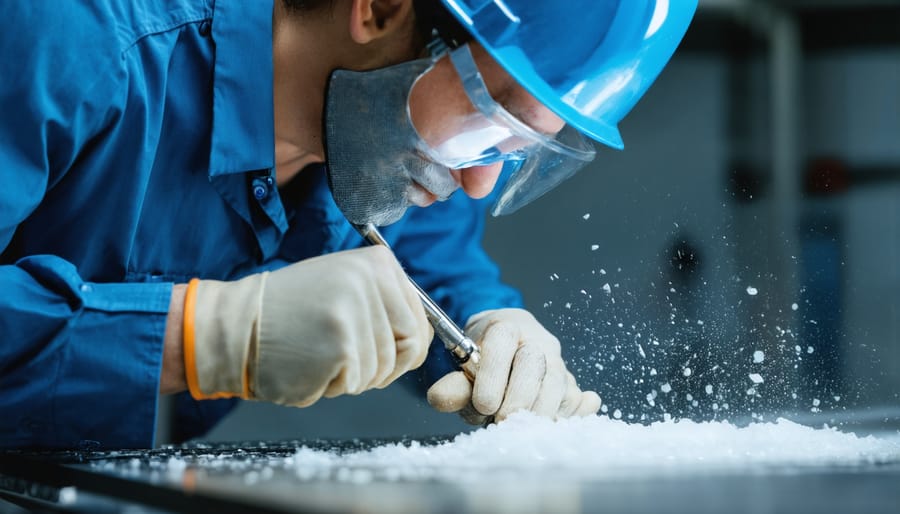
Starting your Delta-9 THC edibles manufacturing career requires building a solid educational foundation before diving into specialized cannabis training. Begin with food safety certifications like ServSafe or better yet, the **HACCP (Hazard Analysis Critical Control Points)** certification, which manufacturing facilities highly value. These credentials demonstrate you understand contamination prevention and quality control—essential in regulated edibles production.
Consider enrolling in **online chemistry or food science courses** through platforms like Coursera or edX to strengthen your technical knowledge. Universities like Michigan State and Cornell offer cannabis-specific certificate programs that cover extraction methods, cannabinoid science, and compliance frameworks. The **Cannabis Training University** and **Green Flower** provide accessible, industry-focused education covering everything from cultivation to manufacturing regulations.
**Professional certifications matter tremendously** in this emerging field. Pursue the Certified Cannabis Professional (CCP) credential or state-specific manufacturing licenses where available. Many employers prioritize candidates who’ve completed Good Manufacturing Practices (GMP) training, which translates directly to cannabis facility operations.
**Networking opens doors** you won’t find on job boards. Join organizations like the **National Cannabis Industry Association (NCIA)** or your state’s cannabis trade group. Attend industry conferences such as MJBizCon or local cannabis expos where you’ll meet facility managers and hiring professionals. LinkedIn groups focused on cannabis careers provide insider information about openings before they’re publicly posted.
Don’t overlook **volunteer opportunities or unpaid internships** at licensed facilities—they’re competitive but offer invaluable hands-on experience that accelerates your learning curve and builds your professional network simultaneously.
Finding Job Opportunities
Start your job search by exploring industry-specific platforms like **CannaRecruiter**, **HempStaff**, and **Vangst**, which specialize in cannabis and hemp manufacturing positions. Don’t overlook LinkedIn—many Delta-9 THC companies actively post openings there. Check manufacturers’ websites directly, as some roles are only advertised internally.
**Tailor your resume** to highlight transferable skills like attention to detail, compliance knowledge, food safety certifications, or laboratory experience. If you’ve worked in pharmaceuticals, nutraceuticals, or food manufacturing, emphasize those parallels. Quantify achievements where possible—for example, “reduced production errors by 15%” shows measurable impact.
When crafting an effective cover letter, express genuine interest in the cannabinoid industry and demonstrate you’ve researched the company’s products and mission.
**Interview preparation** is crucial. Be ready to discuss regulatory compliance, quality standards, and your understanding of Delta-9 THC versus other cannabinoids. Research state laws where the company operates. Prepare questions about safety protocols, career advancement opportunities, and company culture. Many employers value cultural fit highly in this emerging industry, so authenticity matters. Network through industry events and conferences to uncover hidden opportunities—many positions fill through referrals before being publicly posted.
Making Your Career Change Story Compelling
When transitioning into Delta-9 THC edibles manufacturing, focus on your transferable skills rather than apologizing for lacking cannabis-specific experience. If you’ve worked in food production, quality control, pharmaceuticals, or even retail management, you already possess valuable expertise. Highlight your attention to detail, compliance experience, technical abilities, and problem-solving skills—these directly translate to manufacturing roles.
Address industry stigma proactively by emphasizing the legitimacy and professionalism of licensed operations. Frame your interest around innovation, quality standards, and consumer safety rather than personal cannabis use. Research the company’s mission and speak confidently about contributing to a regulated, science-based industry that’s creating jobs and meeting consumer demand.
Master communicating your unique value by connecting past achievements to specific manufacturing needs. Did you reduce errors in your previous role? Streamline processes? Train team members? These accomplishments demonstrate the reliability and skill employers seek. Prepare examples showing adaptability, willingness to learn new regulations, and commitment to safety protocols—qualities essential in this rapidly evolving field where compliance and precision matter most.
Career Growth and Long-Term Prospects
The Delta-9 THC edibles manufacturing sector offers compelling long-term career prospects that often surpass traditional manufacturing paths. As federal and state regulations continue evolving favorably, this industry demonstrates remarkable stability and growth potential—qualities that make it an attractive option for forward-thinking professionals.
Career advancement in this field typically follows multiple trajectories. Entry-level production associates can progress to lead operator roles within 12-18 months, then advance to production supervisors or quality control managers. From there, pathways open to facility management, operations director positions, or specialized roles in regulatory compliance and product development. Many companies prioritize internal promotions, recognizing that institutional knowledge about cannabis manufacturing is invaluable.
The skill development opportunities here are particularly robust. You’ll gain expertise in Good Manufacturing Practices (GMPs), food safety protocols, precision measurement techniques, and regulatory compliance—all transferable skills that enhance your professional value. Additionally, you’ll develop specialized knowledge in cannabinoid science, extraction methods, and formulation chemistry that positions you as an expert in a rapidly expanding field.
Unlike traditional manufacturing sectors facing automation concerns or offshore competition, cannabis manufacturing must remain domestic and requires skilled human oversight due to strict regulatory requirements. This creates inherent job security. The industry’s projected annual growth rate of 15-20% through 2030 suggests sustained demand for qualified professionals.
Effective career management in this sector means staying current with changing regulations, pursuing relevant certifications, and building expertise across multiple production aspects. Professionals who position themselves as compliance experts or master specific manufacturing techniques often command premium salaries and enjoy exceptional mobility across employers. The combination of industry growth, skill development, and advancement opportunities makes Delta-9 THC manufacturing a genuinely promising long-term career choice.
Common Challenges and How to Navigate Them
While Delta-9 THC edibles manufacturing offers exciting opportunities, it’s important to understand the challenges you might face and how to navigate them successfully.
**Regulatory uncertainty** remains a significant consideration. Federal and state laws continue evolving, which can affect job security and company stability. Stay informed by following industry publications and joining professional cannabis organizations. Before accepting a position, research the company’s compliance history and financial backing—well-capitalized companies with strong legal teams weather regulatory changes more effectively.
**Industry stigma** still exists, particularly among older generations or conservative communities. Some family members or friends may question your career choice. Address concerns with facts about the industry’s legitimacy, growth projections, and your specific role in ensuring product safety and quality. Remember, you’re entering a regulated manufacturing field that prioritizes consumer health—frame your career in these professional terms.
**Background check considerations** vary by state. Some jurisdictions disqualify candidates with prior cannabis convictions, while others have enacted remediation programs. Review your state’s specific requirements early in your job search. Many employers also conduct federal background checks for certain positions, which may reveal past issues even if state records are expunged. Be transparent during interviews—companies appreciate honesty and can advise whether your situation affects eligibility.
**Interstate mobility** presents unique challenges since cannabis laws differ dramatically between states. A thriving career in Colorado might not transfer easily to states with more restrictive programs. If you value geographic flexibility, consider roles in quality assurance, food safety, or manufacturing operations—these skills translate to other industries. Alternatively, target states with mature cannabis markets and robust legal frameworks that suggest long-term stability.
Despite these challenges, thousands of professionals have built rewarding careers in this industry. With realistic expectations, thorough research, and strategic planning, you can successfully navigate these obstacles and position yourself for long-term success.
The Delta-9 THC edibles manufacturing industry represents more than just another career path—it’s your opportunity to build a meaningful future in one of America’s fastest-growing sectors. With legitimate employment opportunities expanding across production, quality control, regulatory compliance, and management roles, there’s never been a better time to explore this field.
Whether you’re a recent graduate searching for your first professional role, a career changer seeking fresh challenges, or someone passionate about joining an innovative industry, the barriers to entry are lower than you might think. Many successful professionals started with entry-level positions and advanced quickly through dedication and continuous learning.
Your first step doesn’t have to be dramatic. Begin by researching companies in your area, enrolling in a cannabis manufacturing certification program, or simply updating your resume to highlight transferable skills like attention to detail, food safety knowledge, or manufacturing experience. Every expert in this field started exactly where you are now.
The cannabis industry needs motivated, quality-focused professionals who understand the importance of compliance and consumer safety. Your contribution matters, whether you’re measuring precise cannabinoid doses, ensuring production standards, or helping develop the next generation of products.
Don’t let hesitation hold you back from exploring these opportunities. Take that first step today—research, connect, learn, and apply. You’re not just considering a job; you’re positioning yourself at the forefront of an industry that’s reshaping American manufacturing and wellness. Your career in Delta-9 THC manufacturing starts with your decision to move forward.